From Catch to Cuisine: Mastering Fish Filleting With the Correct Knife
Mastering the art of fish filleting requires a blend of skill and suitable tools. A well-chosen knife can make all the difference in achieving precision and quality. With an organized workspace and critical techniques at hand, anyone can strengthen their culinary endeavors. Still, typical mistakes can thwart forward motion. Understanding these nuances is vital for success. The journey from catch to refined cuisine begins here, and the ensuing steps will uncover the answer to perfect fillets.
Picking the Ideal Knife for Cleaning Fish
Finding the ideal knife for filleting fish is crucial to achieving clean cuts. A filleting knife typically has a long, flexible blade that enables easier maneuvering around bones and skin. Most filleting knives range from six to nine inches long; the decision usually depends on the size of the fish comprehensive guide being prepared. The blade's material, such as stainless steel or high-carbon steel, plays a crucial role in durability and sharpness. A balanced handle, often crafted from wood or synthetic materials, ensures comfort during use and reduces hand fatigue. Furthermore, some knives feature a tapered design that enhances control and precision. Choosing a knife with a good grip and a keen-edged blade can significantly improve the filleting process, resulting in perfectly cut fillets. Therefore, spending time selecting the proper knife is important for anyone eager to master fish filleting.
Prepare Your Space for Processing Fish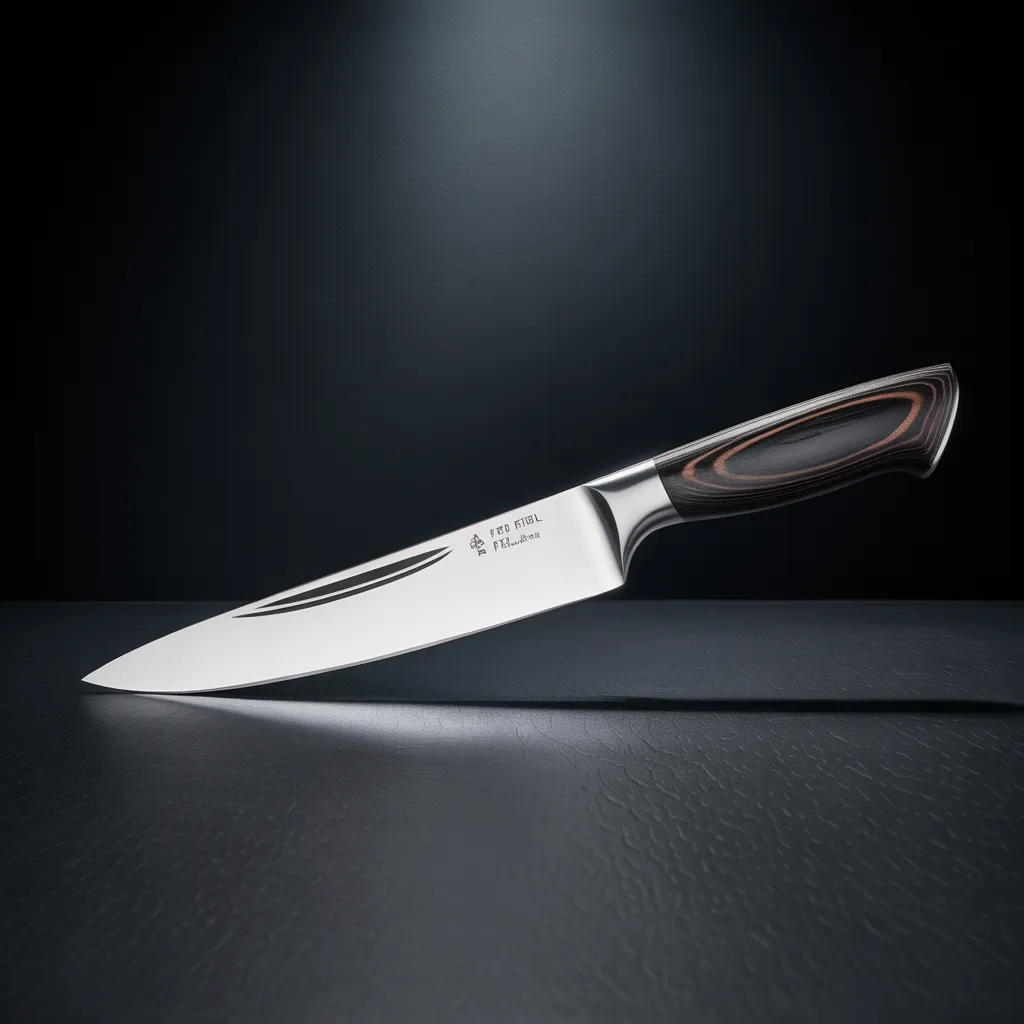
Readying the work area for fish filleting is as important as choosing the right knife. A sanitary, structured area guarantees performance and safeguarding during the process. The ideal workspace should be a flat, sturdy surface, preferably a dedicated cutting board that can bear the use of sharp knives.
It is critical to keep all necessary tools readily available, including a filleting knife, cutting board, and a bowl or container for the discarded parts. Proper lighting is also essential; a properly lit workspace allows for enhanced clarity of the fish's structure and any delicate filleting tasks.
Furthermore, it is wise to have a moist cloth ready for quick clean-ups, limiting the risk of slipping. Finally, making certain that the workspace is free from distractions bolsters focus and precision, ultimately driving better results. A well-prepared environment contributes greatly to mastering the art of fish filleting.
Essential Methods for Filleting Fish: A Sequential Tutorial
Choosing the appropriate knife is vital when filleting fish to achieve precise cuts during the process. Understanding the various filleting techniques boosts efficiency and accuracy. This guide will detail the essential steps to perfect the art of fish deboning.
Choosing The Right Knife
A quality knife is crucial for effective fish filleting, as it not only enhances precision but also ensures a clean cut. The ideal knife for this task is flexible and sharp, typically featuring a long, narrow blade that allows for intricate cuts along the fish's spine and ribs. A filleting knife, often around 7 to 9 inches in length, provides the right balance between control and reach. Handle materials, such as wood or plastic, should offer a secure grip to prevent slippage during use. Additionally, a properly cared for knife, regularly sharpened, will perform better and reduce the risk of injury. Choosing the right knife ultimately contributes to a easier, more efficient filleting experience.
Filleting Methods Described
When you have the appropriate knife at your disposal, the focus moves to the methods that will ensure successful fish filleting. First, securing the fish on a clean, stable surface is essential. The knife should move along the backbone, beginning just behind the head and moving towards the tail. A gentle sawing motion aids in separate the flesh from the bones without tearing. Subsequently, the fillet must be cautiously removed, ensuring all pin bones are discarded. For skinning, the fillet is positioned skin-side down; the knife's blade edge is used to slide between the skin and flesh. Finally, trimming any remaining bones or imperfections completes the process, yielding perfectly filleted fish ready for culinary use. Mastery of these techniques enhances both efficiency and results.
Top 5 Errors to Avoid While Filleting Fish
Filleting fish demands precision and expertise, yet many novice fishers encounter common errors that can spoil the process. One significant mistake is using the wrong knife; a filleting knife is essential for clean cuts. Another common mistake is applying too much pressure, which can damage the flesh rather than cutting it cleanly. Additionally, failing to remove all bones can lead to an unsatisfactory eating experience, so careful focus is vital. Many fishers also neglect to work along the fish’s natural lines, which can result in wasted meat. Finally, not preparing a clean workspace can cause contamination and impede efficiency. By avoiding these five mistakes, novice fishers can greatly improve their filleting technique, ensuring a higher quality product and a more enjoyable cooking experience. Mastery of these fundamentals sets the stage for a successful shift from catch to cuisine.
Maintaining Your Filleting Knife: Essential Tips
Maintaining a filleting knife is essential for optimal performance and safety. Regular sharpening techniques, appropriate cleaning practices, and secure storage methods ensure the knife remains effective and long-lasting. By following these crucial guidelines, users can extend the lifespan of their filleting knife and enhance their fish preparation experience.
Sharpening Methods Regularly
Regularly sharpening a filleting knife is essential for producing clean cuts and ensuring safety while handling fish. If the blade is dull, it can move unexpectedly, raising the risk of injury and damaging the fillet's quality. Different methods exist for sharpening, including using a whetstone, honing rod, or electric sharpener. Using a whetstone needs skill but gives precise control, whereas honing rods are easier and perfect for quick touch-ups. Electric sharpeners offer convenience but might take off more metal than intended. Whichever method is selected, holding a steady angle during sharpening is crucial. Additionally, testing the sharpness can be done by slicing through a piece of paper; a clean cut indicates a well-sharpened knife, ready for effective filleting.
Proper Cleaning Techniques
Keeping a clean filleting knife is important for food safety and ideal performance. Using proper cleaning methods ensures that the knife stays effective and free from contaminants. The knife should be rinsed immediately under warm water after every use to eliminate fish residue. A soft sponge or cloth can be used to carefully scrub the blade, avoiding abrasive substances that might damage the finish. Thoroughly drying the knife is important to prevent rust and corrosion. Consistently checking the knife for any signs of wear or damage while cleaning helps keep it functional. Adhering to these cleaning routines extends the knife’s durability and supports a hygienic environment for food preparation.
Secure Storage Methods
While appropriate cleaning is crucial for a filleting knife’s longevity, safe storage techniques are equally important. Storing the knife correctly can prevent damage to both the blade and the user. A suitable knife sheath or blade guard is advised to safeguard the edge and ensure safety during handling. Magnetic strips can also be effective for convenient access and visibility, lowering the risk of accidents. It is advisable to store the knife in a moisture-free place to stop rust and corrosion. Additionally, keeping the knife away from bulky kitchen tools lowers the chance of dulling or chipping the blade. By adopting these storage practices, one can lengthen the life of the filleting knife and maintain safe usage.
Cooking Techniques and Recipes to Elevate Your Filleted Fish
Mastering essential cooking techniques that enhance flavor and texture is key to improving filleted fish. Searing in a pan is one powerful technique that creates a crunchy outside while maintaining moisture. A heated pan with a small amount of oil allows for the Maillard reaction, enhancing the fish's inherent taste.
Furthermore, marinating the fillets in lemon, lime, or herb mixtures for 30 minutes can imbue them with bold flavor. Baking is another outstanding option, especially when combined with a crust of breadcrumbs and parmesan for added crunch.
For a refreshing turn, consider making fish tacos with a zesty slaw and avocado. Conversely, a simple lemon-butter sauce can elevate any dish, drawing attention to the delicate flavors of the fish.
Exploring various cooking methods and taste combinations empowers home cooks to create unforgettable dishes that showcase their freshly filleted catch.
Complete Step-by-Step Directions for Filleting Multiple Fish Species
Mastering the art of fish filleting is vital to obtaining the best culinary results. Each species requires a customized approach to guarantee ideal yields and quality. For flat-bodied fish, such as flounder, one should begin by positioning the fish skin-side down, creating a cut behind the head, and then sliding the knife along the backbone. In contrast, filleting round fish, like trout, involves a similar initial cut but requires careful attention to the rib bones. For larger species, such as salmon, a long, flexible knife is essential. After creating the initial cut, the filleting knife should glide along the spine, separating the flesh from the bones with precision. Following these methods not only increases the amount of fillet obtained but also improves the overall texture and flavor of the fish, making it an invaluable skill for any culinary enthusiast.
Frequently Requested Questions
How Do I Choose the Right Fish for Filleting?
Identifying the optimal product for filleting involves picking fresh firm specimens. Sought-after picks encompass salmon, trout, and snapper, esteemed for their manageable size and meat quality, ensuring effortless handling and exceptional results within the deboning undertaking.
Can I Utilize a Standard Kitchen Knife for Filleting?
It's feasible to use a regular kitchen knife for filleting, but you may lose out on the accuracy and adaptability of a dedicated filleting knife. A specialized filleting tool delivers neater slices and better overall results when filleting fish.
What Should I Make With Fish Remnants After Filleting?
After filleting fish, one should consider composting scraps, using them for fish stock, or contributing to local wildlife. Handling them responsibly guarantees minimal waste while maximizing the benefits of the entire fish.
How Long Can I Preserve Boneless Fish?
Filleted fish is able to be stored in the refrigerator for up to two days, whereas placing in the freezer extends its shelf life to six months. Correct wrapping minimizes freezer burn, guaranteeing quality and freshness for future culinary use.
Are There Any Safety Tips for Filleting Fish?
When filleting fish, one should consistently apply a sharp knife for detail, maintain a clean workspace to prevent contamination, verify hands and surfaces are bone-dry, and prioritize safety by keeping fingers away from the blade's edge.
Comments on “How Fish Knife Provides Easy Handling”